

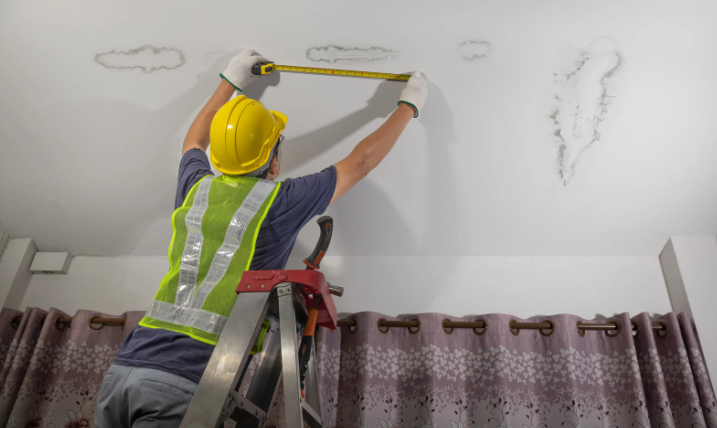
A roof leak can start as a minor inconvenience but quickly develop into a costly problem if left unchecked. Water intrusion can damage insulation, ceilings, walls, flooring, and even the structural integrity of a home. The challenge is that many roof leaks remain hidden for weeks or months before homeowners notice visible signs of damage.
Understanding how to identify the early warning signs of a roof leak can help prevent extensive repairs and protect your property. Roofing professionals in Fairfax often recommend routine inspections and proactive maintenance to catch issues before they worsen. Here are some practical roof leak detection tips that every homeowner should know.
Why Early Roof Leak Detection Matters
Even a small roof leak can cause significant damage over time. Water has a way of traveling through roofing materials, attic spaces, and wall cavities before becoming visible inside the home. By the time stains appear on ceilings or walls, the source of the leak may have been active for quite some time.
Early detection helps homeowners:
- Avoid expensive structural repairs
- Prevent mold and mildew growth
- Protect insulation and energy efficiency
- Extend the lifespan of the roof
- Reduce the risk of interior water damage
Regular inspections and awareness of common warning signs can make a substantial difference.
Common Signs of a Roof Leak
Water Stains on Ceilings and Walls
One of the most obvious indicators of a roof leak is the appearance of water stains. These stains often appear as yellow, brown, or dark patches on ceilings and upper walls.
It’s important to remember that the stain may not be directly below the leak. Water can travel along rafters and other structural components before dripping into living spaces.
Peeling Paint or Bubbling Drywall
Excess moisture behind walls can cause paint to peel, bubble, or crack. Drywall may become soft, warped, or swollen when exposed to ongoing water intrusion.
If you notice these symptoms near the ceiling or exterior walls, it’s worth investigating the roof as a potential source.
Mold and Mildew Growth
Mold thrives in damp environments. If you detect musty odors or notice mold forming in the attic, around ceilings, or near roof penetrations, moisture may be entering through the roofing system.
Prompt action is essential because mold can spread rapidly and affect indoor air quality.
Dripping Water During Rainstorms
A visible drip during heavy rain is a clear sign that water is entering the home. However, even intermittent dripping can indicate a more significant roofing issue that should not be ignored.
Document when the leak occurs and under what weather conditions, as this information can help roofing professionals diagnose the problem.
Inspect Your Attic Regularly
Look for Daylight Penetration
One of the simplest attic inspections involves turning off the lights and looking for daylight coming through the roof deck. Any visible openings may allow water to enter during storms.
Small gaps around vents, chimneys, or flashing can also become entry points for moisture.
Check for Damp Insulation
Wet or compressed insulation often indicates a roof leak above. Insulation should remain dry and fluffy. Any signs of moisture warrant further investigation.
Examine Roof Framing
Wooden rafters and roof decking may display dark stains, discoloration, or signs of rot when exposed to prolonged moisture. Catching these issues early can prevent costly structural repairs.
Pay Attention to Roof Flashing
Flashing is installed around roof penetrations such as chimneys, skylights, vents, and valleys. Its purpose is to direct water away from vulnerable areas.
Over time, flashing can:
- Corrode
- Crack
- Separate from roofing materials
- Become improperly sealed
Damaged flashing is one of the most common causes of roof leaks. Routine visual inspections can help identify problems before they lead to water intrusion.
Inspect Shingles After Severe Weather
Missing or Damaged Shingles
Strong winds, hail, and severe storms can damage roofing materials. Missing, cracked, curled, or lifted shingles may expose the roof deck to moisture.
After significant weather events, homeowners should safely inspect the roof from the ground using binoculars or schedule a professional inspection.
Granule Loss
As asphalt shingles age, they lose protective granules. Excessive granule accumulation in gutters may indicate that shingles are deteriorating and becoming more vulnerable to leaks.
Check Gutters and Downspouts
Gutters play a critical role in directing water away from the roof and foundation. Clogged or damaged gutters can cause water to back up under roofing materials.
Signs of gutter-related issues include:
- Overflowing water during rain
- Sagging gutter sections
- Debris accumulation
- Water stains near roof edges
Regular gutter cleaning helps maintain proper drainage and reduces leak risks.
Monitor Roof Valleys
Roof valleys are where two roof slopes meet. These areas naturally handle a large volume of water during rainfall.
Because of their design, valleys are particularly susceptible to:
- Debris buildup
- Flashing failures
- Shingle deterioration
Routine inspections can help ensure water continues flowing properly through these critical sections.
Use a Garden Hose for Leak Testing
When the source of a leak is difficult to identify, controlled water testing can sometimes help. One person sprays specific roof sections with a garden hose while another monitors the attic for signs of moisture.
This process should be done carefully and methodically to isolate the leak source. However, homeowners should avoid walking on steep or wet roofs and consider professional assistance when necessary.
The Benefits of Professional Roof Inspections
While homeowners can perform basic visual checks, professional roof inspections offer a more thorough assessment.
Experienced roofing contractors can identify:
- Hidden moisture damage
- Compromised flashing
- Structural concerns
- Ventilation issues
- Early signs of roofing material failure
Routine professional inspections are especially valuable after severe storms or as a roof ages.
Preventive Maintenance Helps Avoid Leaks
Preventive roof maintenance is one of the most effective ways to minimize leak risks. A proactive maintenance plan may include:
- Annual roof inspections
- Gutter cleaning
- Debris removal
- Flashing repairs
- Shingle replacement
- Attic ventilation checks
Addressing small issues promptly often prevents more extensive and expensive repairs later.
Conclusion
Roof leaks rarely improve on their own. In most cases, minor water intrusion gradually worsens and can lead to extensive property damage if left unaddressed. By learning the common warning signs, inspecting vulnerable areas, and scheduling routine roof evaluations, homeowners can catch problems early and protect their investment.
Regular roof maintenance and prompt repairs not only help prevent leaks but also extend the lifespan of the entire roofing system. Whether your roof is relatively new or approaching the end of its service life, staying vigilant is the best defense against costly water damage.
For homeowners who would like a professional assessment, many local residents have found assistance from RIBA Roofing & Exteriors. Their team provides roofing inspections, repair services, and exterior improvement solutions throughout the Fairfax area. If you’d like additional information about their services, you can visit Know More.