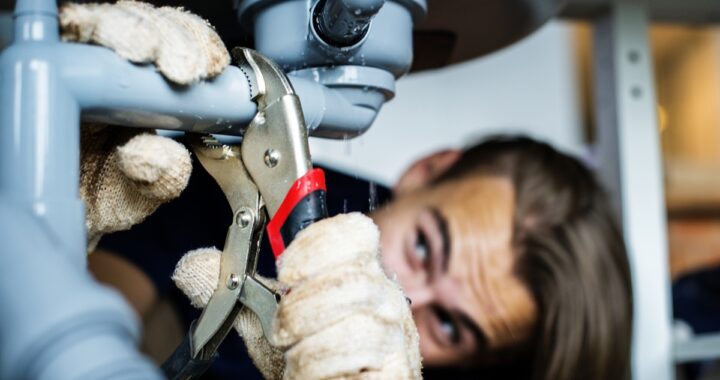

If you live in Ogden, UT, you may have noticed white spots on faucets, soap that never seems to rinse completely, or mineral buildup around your showerhead. These are common signs of hard water, a problem that affects many households and can gradually impact plumbing fixtures, appliances, skin, hair, and cleaning routines.
Hard water is not usually considered a serious health concern, but the minerals it contains can create frustrating household problems. When those problems become persistent, a water softener can be a practical way to improve water quality throughout the home.
But how do you know when it is actually time to install one? Understanding the signs of hard water and the potential benefits of treatment can help Ogden homeowners make an informed decision.
What Is Hard Water?
Hard water contains elevated levels of naturally occurring minerals, primarily calcium and magnesium. As groundwater moves through mineral-rich rock and soil, it can absorb these minerals before reaching a home’s water supply.
The hardness of water varies from one location to another. In areas with mineral-rich groundwater, homeowners may notice more visible effects from hard water than those in areas with naturally softer water.
Although calcium and magnesium are not inherently harmful, they can accumulate over time. This accumulation is commonly referred to as scale, and it can appear on plumbing fixtures, inside pipes, and on appliances that use water.
Common Signs of Hard Water in Your Ogden Home
Knowing what to look for is the first step toward determining whether water treatment may be worthwhile.
White or Chalky Deposits
One of the most recognizable signs is a white or cloudy residue around faucets, sinks, shower doors, and other wet surfaces. This is usually mineral scale left behind as water evaporates.
If you regularly clean these deposits only to see them return shortly afterward, hard water may be the underlying cause.
Soap Scum and Poor Lather
Hard water can make soaps and detergents less effective. You may find that shampoo, body wash, or hand soap does not produce the same lather you expect.
It can also leave a film on shower walls, bathtubs, and skin. As a result, households may end up using more soap or cleaning products to achieve the desired results.
Dry Skin and Hair
Some people notice that their skin feels dry or irritated after bathing in hard water. Hair may also feel rough, dull, or difficult to manage.
Hard water is not necessarily the only reason for these problems, but mineral deposits can interact with soaps and shampoos and leave residue behind.
Frequent Appliance Scale
Water heaters, dishwashers, washing machines, coffee makers, and other water-using appliances can all be affected by mineral buildup.
Inside a water heater, scale can accumulate on heating components and reduce efficiency. Over time, excessive buildup can contribute to additional maintenance needs and potentially shorten equipment life.
When Should You Consider a Water Softener?
Not every home with hard water necessarily needs a water softener. The right decision depends on the severity of the problem and how much it affects your household.
When Cleaning Becomes a Constant Chore
If you regularly scrub mineral deposits from faucets, shower doors, sinks, and appliances, installing a water softener may reduce the amount of scale that develops.
Softened water can help prevent the minerals responsible for many of these deposits from accumulating throughout the plumbing system and on household surfaces.
When Appliances Are Showing Signs of Scale
If your water heater or other water-using appliances frequently develop mineral buildup, it may be worth considering water treatment.
Preventing scale before it accumulates can be easier than repeatedly dealing with the effects after they occur. Homeowners with significant hard water may find that protecting appliances is an important reason to consider a softener.
When Your Water-Using Fixtures Need Frequent Maintenance
Hard water can affect faucets, showerheads, valves, and other fixtures over time. Mineral deposits may restrict small openings and interfere with normal water flow.
If fixtures require frequent cleaning or replacement because of mineral accumulation, whole-home water treatment could be worth investigating.
When You Want More Comfortable Bathing Water
For some homeowners, the biggest benefit is simply how water feels. Softened water can make soaps and shampoos easier to rinse and may reduce the mineral residue left on skin and hair.
While individual experiences vary, many households notice a difference in their daily bathing routine after addressing hard water.
What Are the Benefits of a Water Softener?
A properly sized and maintained water softener can provide several practical benefits.
First, it can reduce the minerals responsible for hard-water scale. This can help keep plumbing fixtures and water-using appliances cleaner.
Second, softened water may allow soaps and detergents to work more effectively. Some households find that they need less product to achieve the same cleaning results.
Another potential advantage is reduced scale inside plumbing and appliances. While a water softener cannot eliminate every plumbing problem, controlling hardness can help reduce one common source of mineral buildup.
Finally, many homeowners simply prefer the feel and appearance of softened water. Fewer water spots, less soap residue, and cleaner-looking fixtures can make routine household maintenance easier.
Do You Need a Whole-House Water Softener?
A whole-house system is designed to treat water as it enters the home, providing softened water throughout the plumbing system.
However, the ideal setup depends on your home’s water conditions, plumbing configuration, household size, and water usage. A system that works well for one property may not be appropriate for another.
This is why testing the water and evaluating the home’s needs before purchasing equipment is important. Installing a system that is too small may not provide the desired results, while an unnecessarily large system can increase upfront and operating costs.
What About Salt-Free Water Treatment?
Homeowners sometimes confuse water softeners with salt-free water conditioners. Although these systems can both address concerns related to hard water, they do not necessarily work in the same way.
Traditional ion-exchange water softeners reduce calcium and magnesium in the water. Salt-free conditioners generally aim to alter how minerals behave rather than removing the hardness minerals themselves.
The best option depends on your goals, water characteristics, maintenance preferences, and household requirements. Professional guidance can help you understand which approach makes sense for your property.
Is Professional Installation Worth It?
Water softener installation involves more than simply placing a tank next to a water line. The system needs to be correctly sized, connected, configured, and positioned so it can operate effectively.
Professional installation can also help identify potential plumbing considerations before the system is installed. An experienced plumber can evaluate your existing setup, explain maintenance requirements, and help ensure the equipment is appropriate for your home’s water usage.
Before making a purchase, it is also a good idea to ask about regeneration cycles, salt usage, maintenance, warranties, and expected operating costs.
Final Thoughts
Hard water can start as a minor annoyance but become increasingly frustrating when mineral deposits, soap residue, appliance buildup, and frequent cleaning become part of your daily routine. For Ogden homeowners experiencing persistent hard-water problems, a water softener may offer a practical long-term solution.
The key is determining whether your home’s water hardness justifies the investment and selecting a system that matches your household’s needs. Testing the water and getting professional advice can help you avoid choosing equipment based solely on guesswork.
If you’re dealing with persistent hard-water issues in the Ogden area and want professional guidance, Top Shelf Plumbing Pros can be a useful local resource to consider. Homeowners interested in understanding their options can learn more about Water Softener Installation and discuss the appropriate approach for their home’s plumbing and water-treatment needs.